Running Toilet Repair

Running Toilet Repair

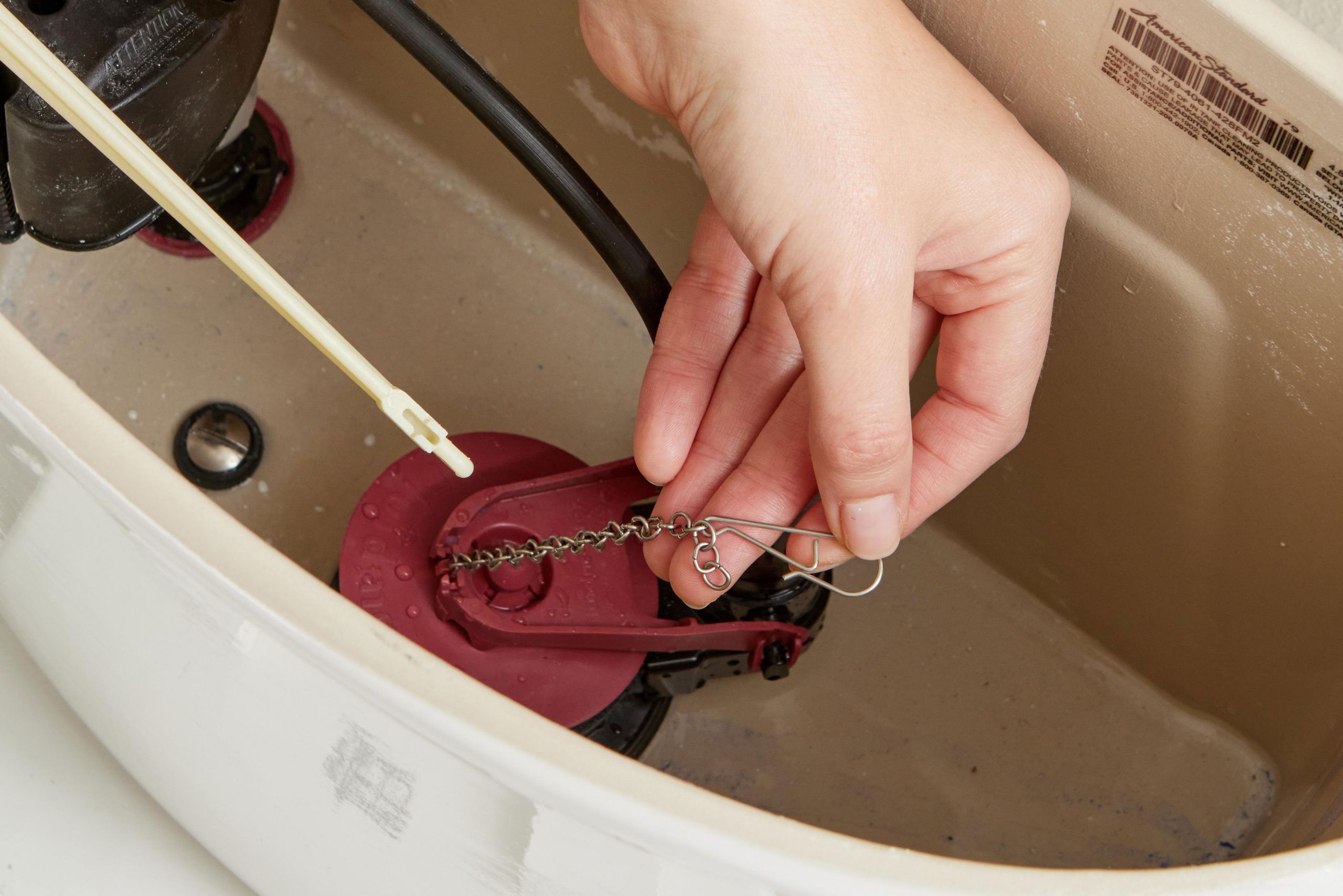
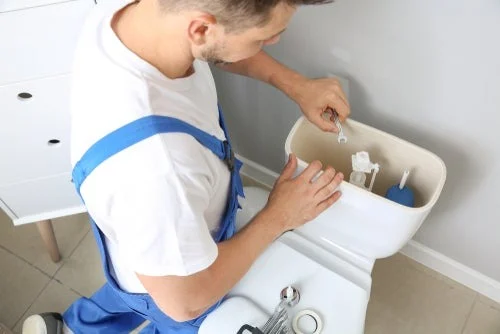
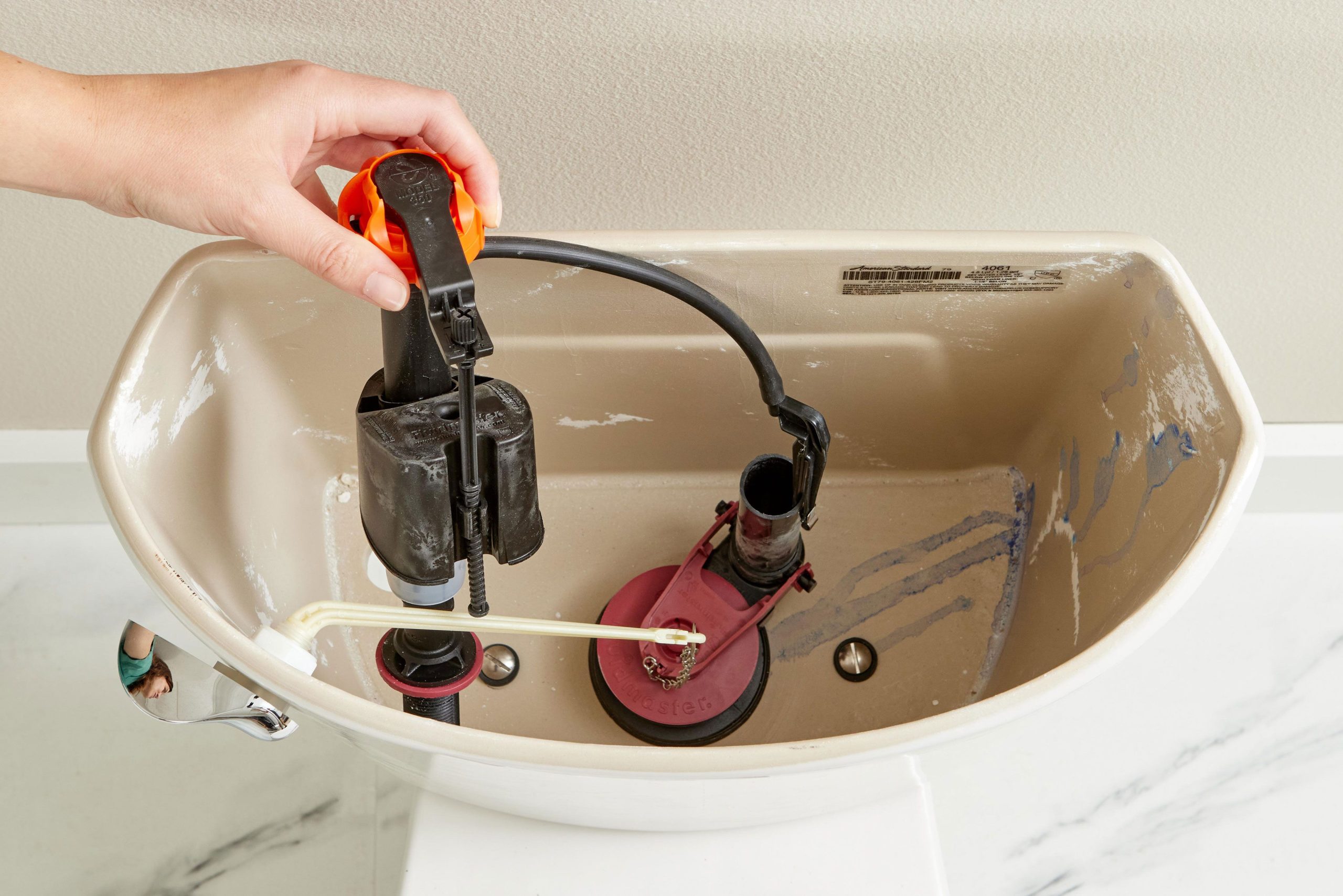
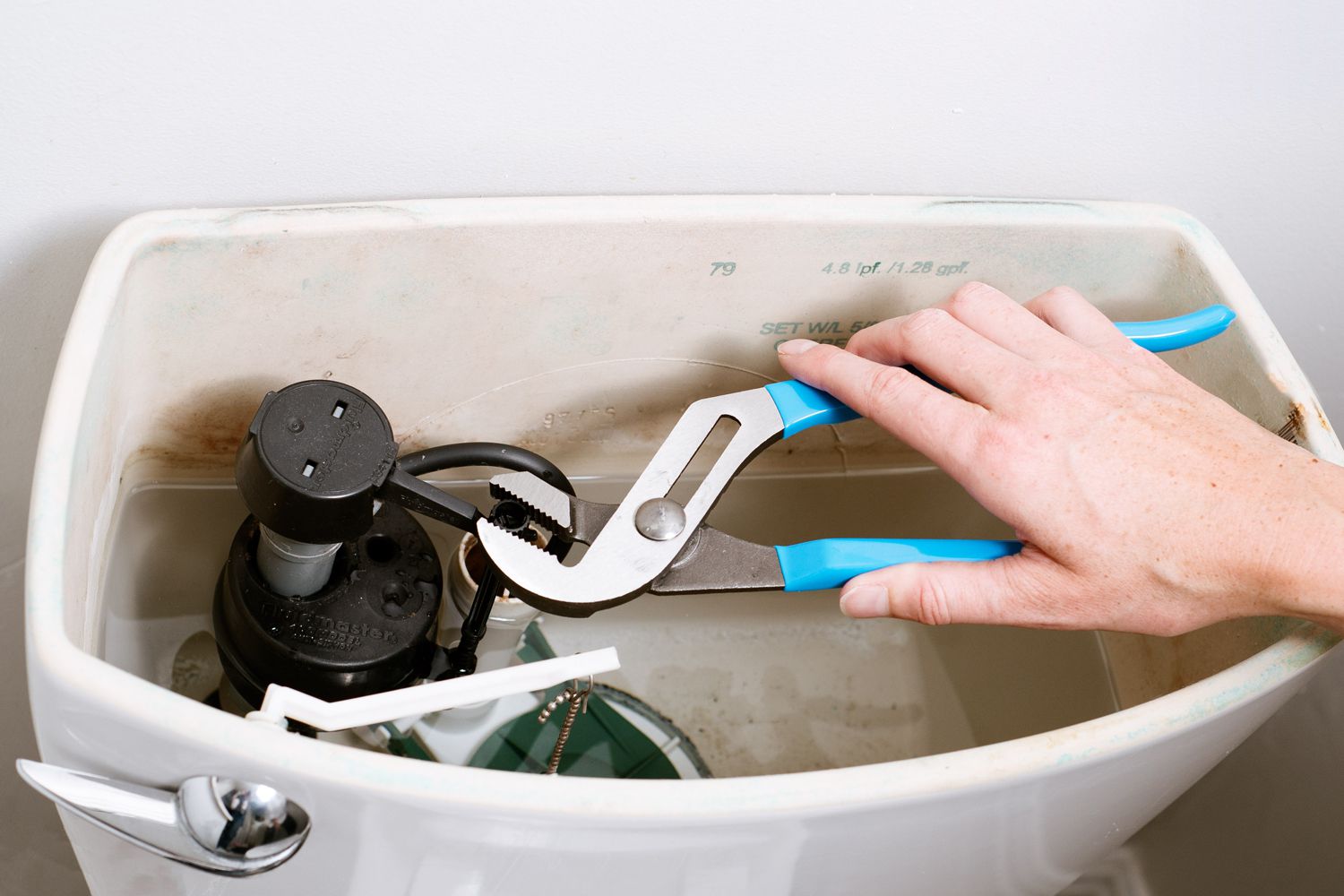
We fix constantly running toilets caused by worn flappers, faulty fill valves, or internal leaks. Our experts restore proper flushing and help you save water and money

Toilet Leak & Running Issue Repair

If your toilet won’t stop running, we provide fast and reliable repairs. We diagnose the cause, replace faulty components, and ensure your toilet works efficiently again.

Warranty & Prices

We offer three warranty options

6 year
10 year
Lifetime

We also offer expansion tanks, earthquake strapping, and pressure regulating valves.

Please call us for prices on tanks, installs, warranties, and accessories.

Click here to call

1-250-589-8555

What size of water heater do you need?

The capacity of a hot water heater should be based on the number of occupants and the peak hour water demand, regardless of the size of the house. The water heater should provide enough hot water at the busiest time of the day. Also, consider the number of plumbing fixtures you have in the home. The more sinks you have, the greater the demand for hot water. Finally, consider extraordinary hot water demands, such as hot tubs. The ability of a water heater to meet peak demand for hot water is indicated by its “first hour rating.” This rating accounts for the effects of tank size and the speed by which cold water is heated.

Recommended Tank Capacity by Family Size

1-4 people

40 Gallon

4-8 people

60 Gallon

*This is only a guide and does not guarantee that you will not run out of hot water.

What size of water heater do you need?

The capacity of a hot water heater should be based on the number of occupants and the peak hour water demand, regardless of the size of the house. The water heater should provide enough hot water at the busiest time of the day. Also, consider the number of plumbing fixtures you have in the home. The more sinks you have, the greater the demand for hot water. Finally, consider extraordinary hot water demands, such as hot tubs. The ability of a water heater to meet peak demand for hot water is indicated by its “first hour rating.” This rating accounts for the effects of tank size and the speed by which cold water is heated.
Recommended Tank Capacity by Family Size

1-4 people

40 Gallon

4-8 people

60 Gallon

*This is only a guide and does not guarantee that you will not run out of hot water.

Standard Installation

We shut-off your water, gas, or electric, and drain and disconnect your old heater.

We slide it out of the way and put the new one right in its place.

We hook the new water heater up to the existing water lines below the existing valves:
For copper water lines, we include up to 1 foot of copper for minor changes at no additional charge. Additional copper will result in an additional charge.
For plastic water lines, local plumbing codes require a certain length of copper from the top of the tank. If you have copper coming out of your existing tank and meet the local plumbing code, there is usually no additional charge. If your current set-up does not follow local plumbing code, there may be an additional charge.

For gas water heaters, we hook it up to the existing flue and gas line.

For electric water heaters, we reconnect it to the existing electric.

We check the water pressure and check for thermal expansion.

We haul the old water heater for a minimal charge, or put it at the curb at no additional charge.

For electric water heaters, we reconnect it to the existing electric.

Standard Installation

We shut-off your water, gas, or electric, and drain and disconnect your old heater.

For gas water heaters, we hook it up to the existing flue and gas line.

We check the water pressure and check for thermal expansion.

We slide it out of the way and put the new one right in its place.

For electric water heaters, we reconnect it to the existing electric.

We haul the old water heater for a minimal charge, or put it at the curb at no additional charge.

We hook the new water heater up to the existing water lines below the existing valves:   For copper water lines, we include up to 1 foot of copper for minor changes at no additional charge. Additional copper will result in an additional charge.
For plastic water lines, local plumbing codes require a certain length of copper from the top of the tank. If you have copper coming out of your existing tank and meet the local plumbing code, there is usually no additional charge. If your current set-up does not follow local plumbing code, there may be an additional charge.

For electric water heaters, we reconnect it to the existing electric.

Non-standard Installations

Here are some examples of non-standard installations: The water heater is located on the 2nd floor or above; access to the water heater is obstructed by a furnace or gas lines; or the water heater is behind a finished wall or door frame.